
Should You Remove Your Bathtub? What to Know Before Converting a Tub to a Shower.
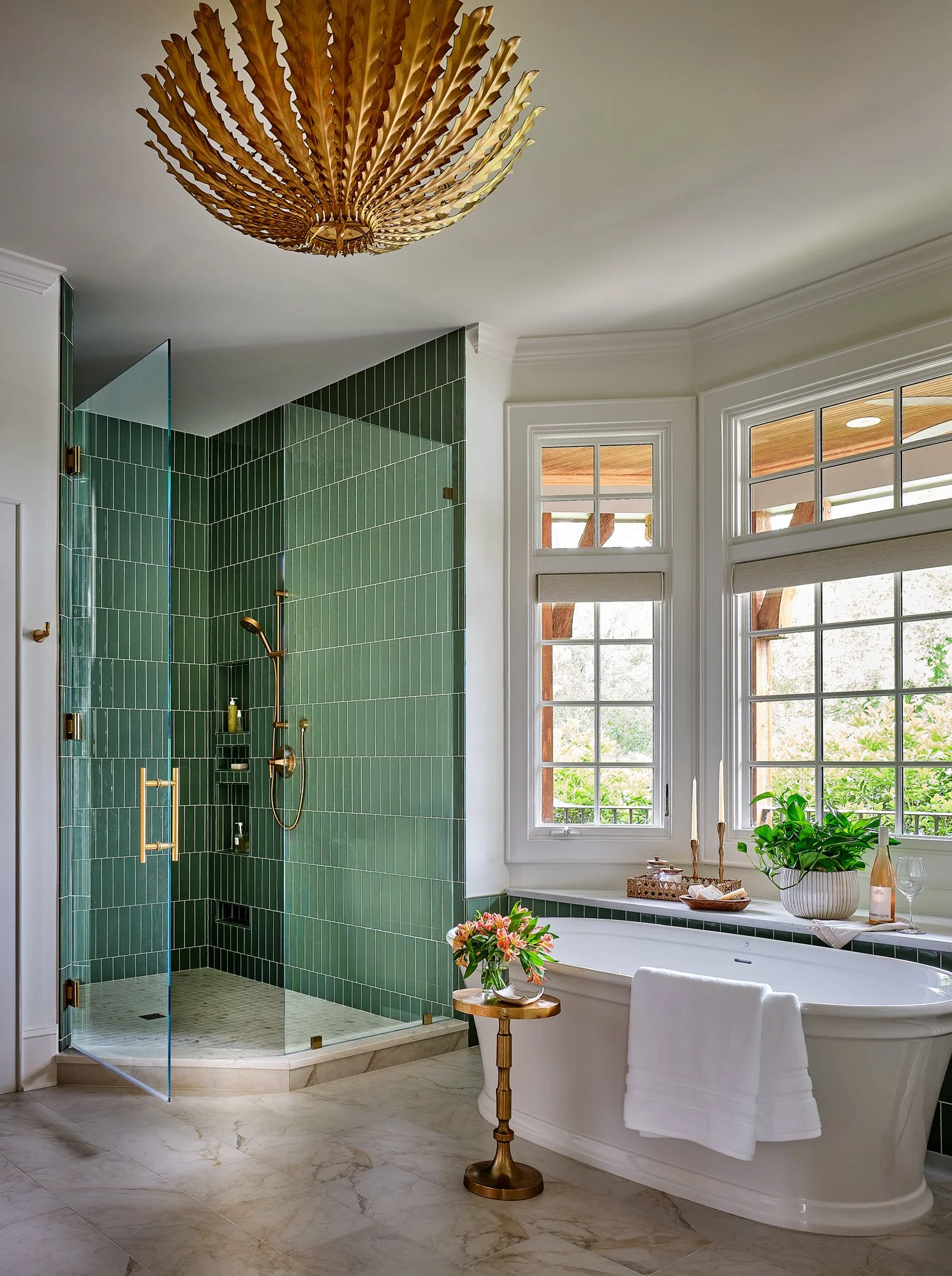
“To tub or not to tub” — that is the question.
At Veritas Construction Services we hear this one all the time: Should we keep the bathtub, or would we be better off replacing it with a walk-in shower?
For many homeowners, the answer is becoming increasingly clear: they simply don't use the tub. And they're not alone. According to Houzz's 2025 U.S. Bathroom Trends Study, 26% of homeowners renovating their bathrooms removed a bathtub, and 82% of those homeowners used the space to enlarge their shower (Houzz).
The trend toward larger showers is showing up across the industry, too. The National Kitchen & Bath Association's 2026 Bath Trends Report found that 55% of surveyed industry professionals consider a larger shower more important than having a bathtub (NKBA).
But before you remove the tub, there's another question worth considering: What happens if you later sell the house?
The answer isn't as simple as “always keep a tub” or “tubs are outdated.” The right choice depends on how you live, the size and layout of your bathroom, and the needs of future buyers.
When Does Removing the Tub Make Sense?
Bathtubs can take up significant floor space, and many homeowners use them infrequently. Replacing a tub with a walk-in shower can provide:
More usable shower space
Improved accessibility
Easier cleaning and everyday maintenance
Better functionality for aging in place
Space for features such as a bench, grab bars, and larger storage niches
For homeowners who plan to stay in their home for many years, these benefits may outweigh concerns about future resale.
A bathroom should serve the people living in the home today — not only hypothetical future buyers.
Sometimes, a Large Bathroom Needs a Tub
The size and layout of the bathroom should be part of the conversation, too.
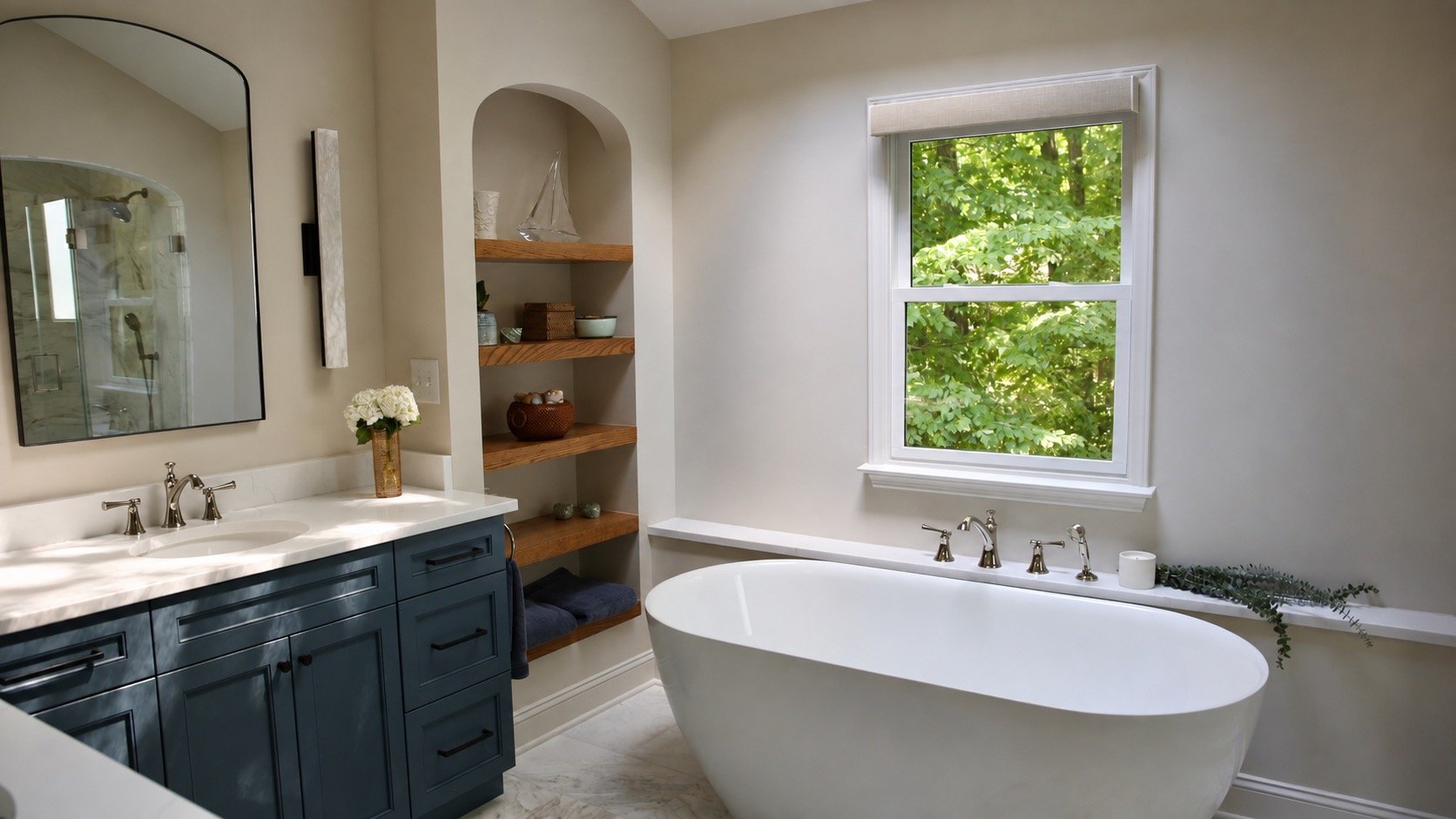
In a smaller bathroom, removing a tub can create valuable space for a larger, more comfortable shower. But in a large primary bathroom, eliminating the tub altogether can sometimes leave the room feeling oddly empty.
A freestanding tub can serve as a visual anchor in a spacious bathroom, filling an otherwise unused area and helping balance the proportions of the room. In that situation, the question isn't necessarily “Do we use the tub?” It may be “Does the room benefit from having the tub?”
And the current trend isn't simply that tubs are disappearing. NKBA's 2026 report also points to growing interest in wellness-oriented bathroom features, including spa-like experiences (NKBA).
If a tub contributes to the overall design and experience of a large bathroom, keeping it may make sense even if it isn't used every day.
What About Resale?
This is where the decision gets a little more complicated.
While homeowners are increasingly choosing larger showers, recent buyer research suggests that tubs still have an important place in the market. The National Association of Home Builders' 2024 What Home Buyers Really Want study found that 78% of buyers rated having both a shower and tub in the primary bathroom as either desirable or essential (NAHB).
Families with young children may be particularly likely to value having a bathtub. Tubs can also be useful for bathing pets, washing bulky items, or accommodating guests who prefer to take baths.
That doesn't mean removing a bathtub will automatically hurt your home's resale appeal. A high-end primary bathroom may be perfectly appealing with only a large walk-in shower. But removing every bathtub in the home could make the property less flexible for some future buyers.
This may be especially relevant for:
Family-oriented homes
Homes in neighborhoods with many young families
Homes with multiple bedrooms and bathrooms
Properties where comparable homes typically include a bathtub
For homeowners who want to balance their current lifestyle with future flexibility, keeping at least one bathtub somewhere in the home can be a practical compromise.
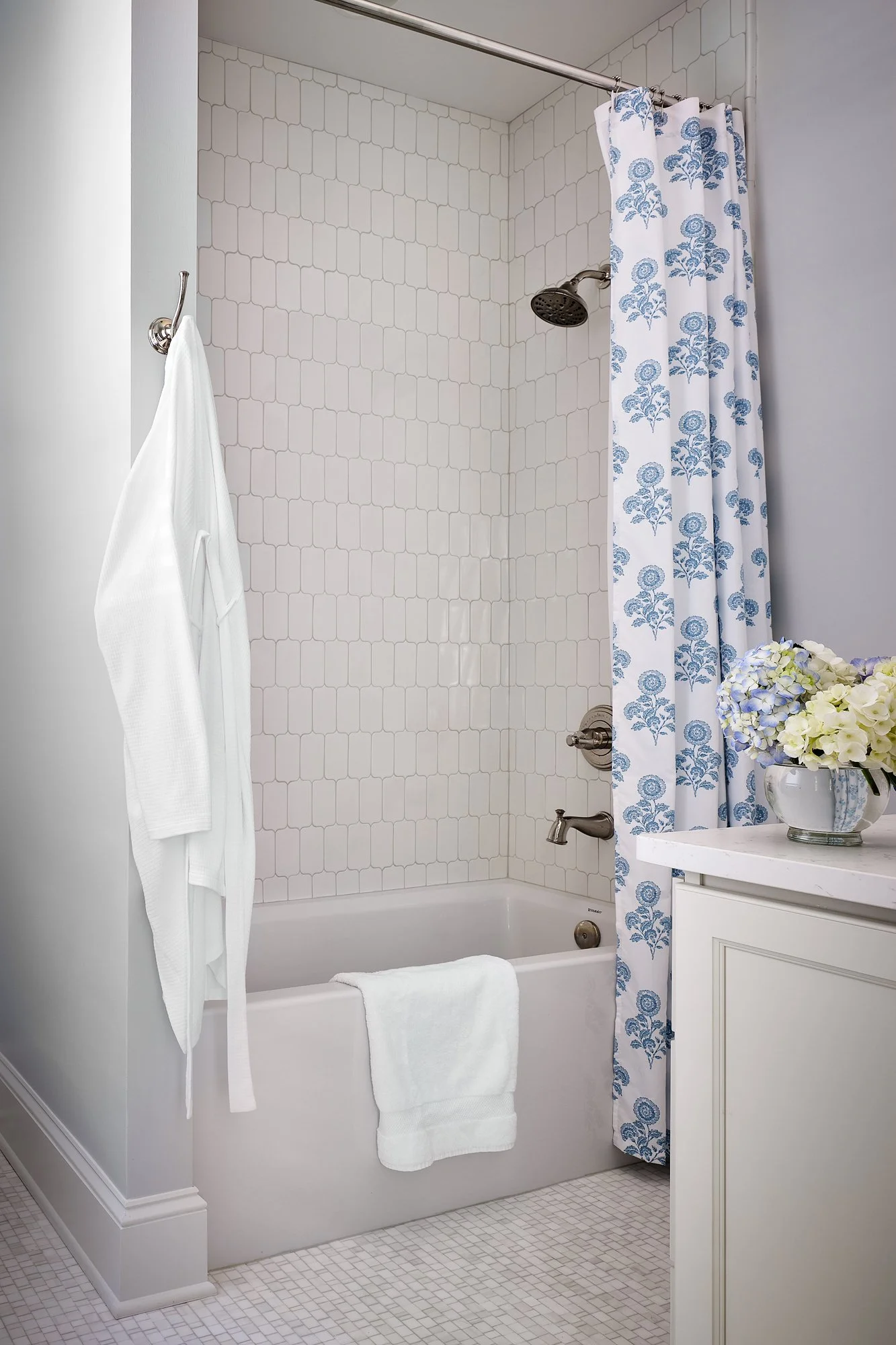
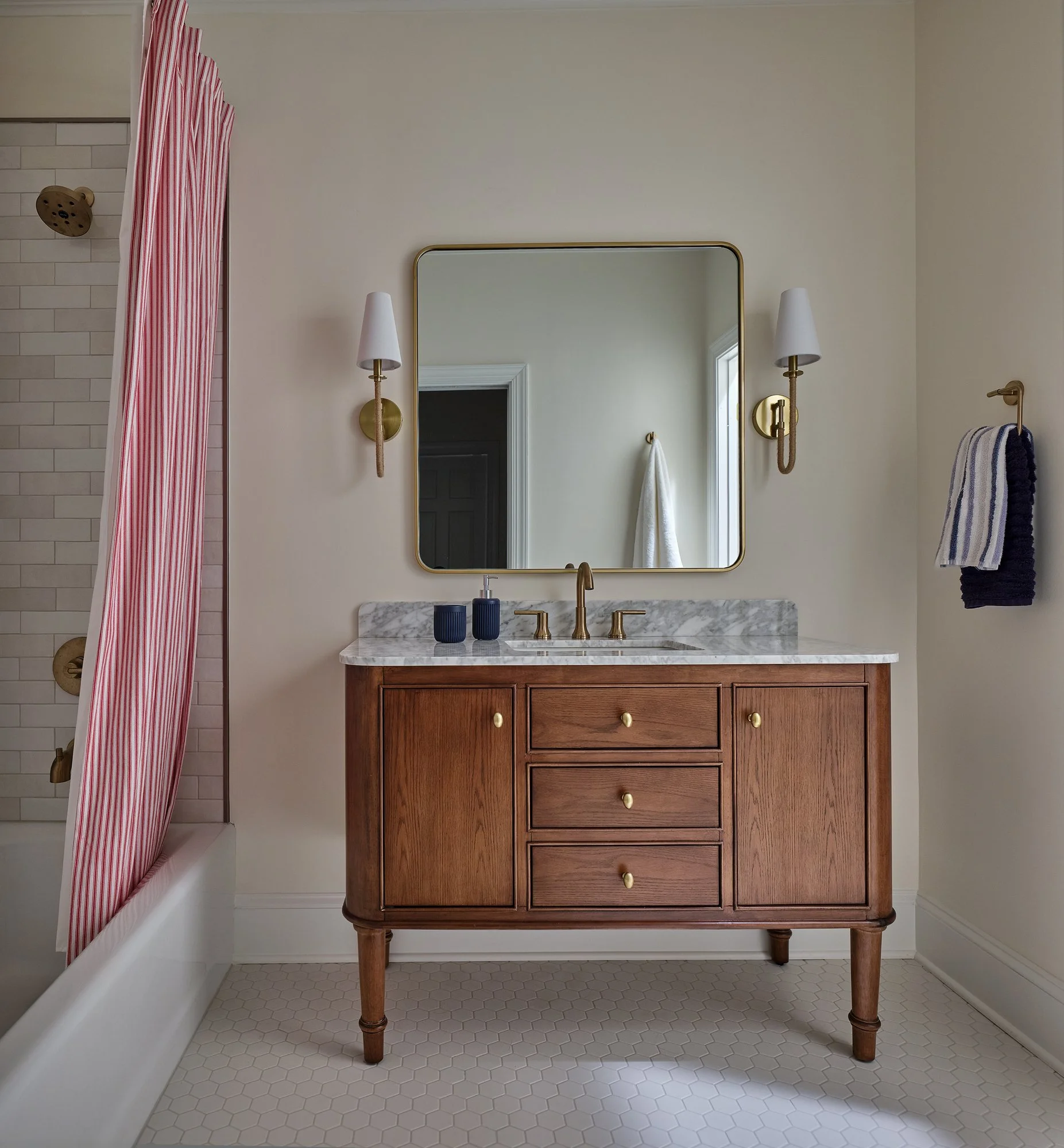
You might remove an unwanted tub from the primary bathroom while keeping one in a hall, children's, guest, or secondary bathroom. This gives you the spacious shower you want where you use it most while preserving a bathtub for children, guests, pets, or future homeowners.
If You Remove the Tub, Design the Shower Well
If you decide to make the switch, the replacement shower should be thoughtfully designed. A well-planned shower can improve both everyday function and long-term appeal. Consider features such as:
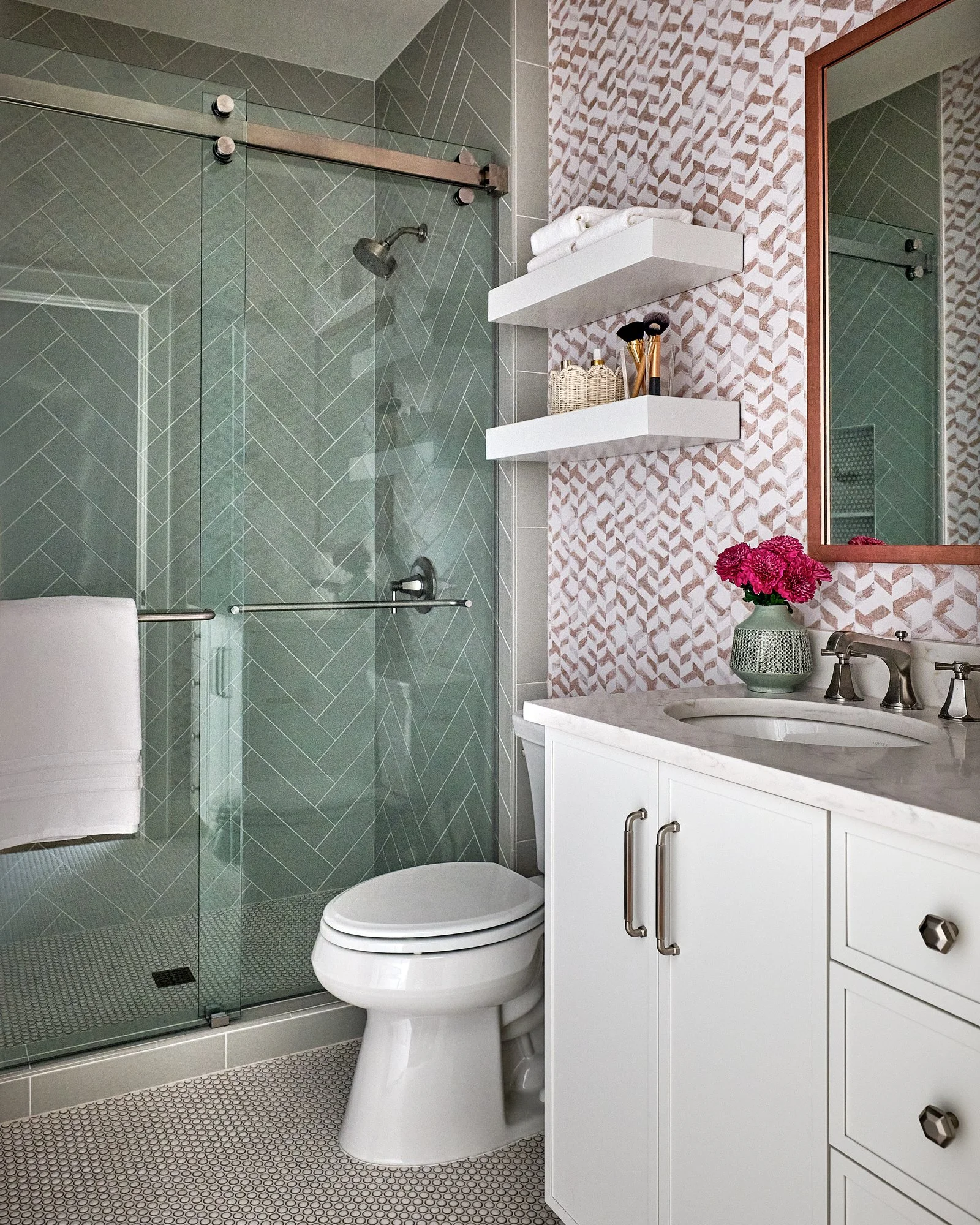
A low-threshold or curbless entry
A handheld showerhead
A built-in or fold-down bench
Slip-resistant flooring
A recessed storage niche
Strong ventilation
Well-planned lighting
Wall blocking for future grab bars
These features can improve accessibility without making the bathroom feel overly clinical.
Accessibility is increasingly part of bathroom remodeling, too. Houzz's 2025 study found that 68% of homeowners considered special needs in their bathroom projects, including current or anticipated future needs (Houzz).
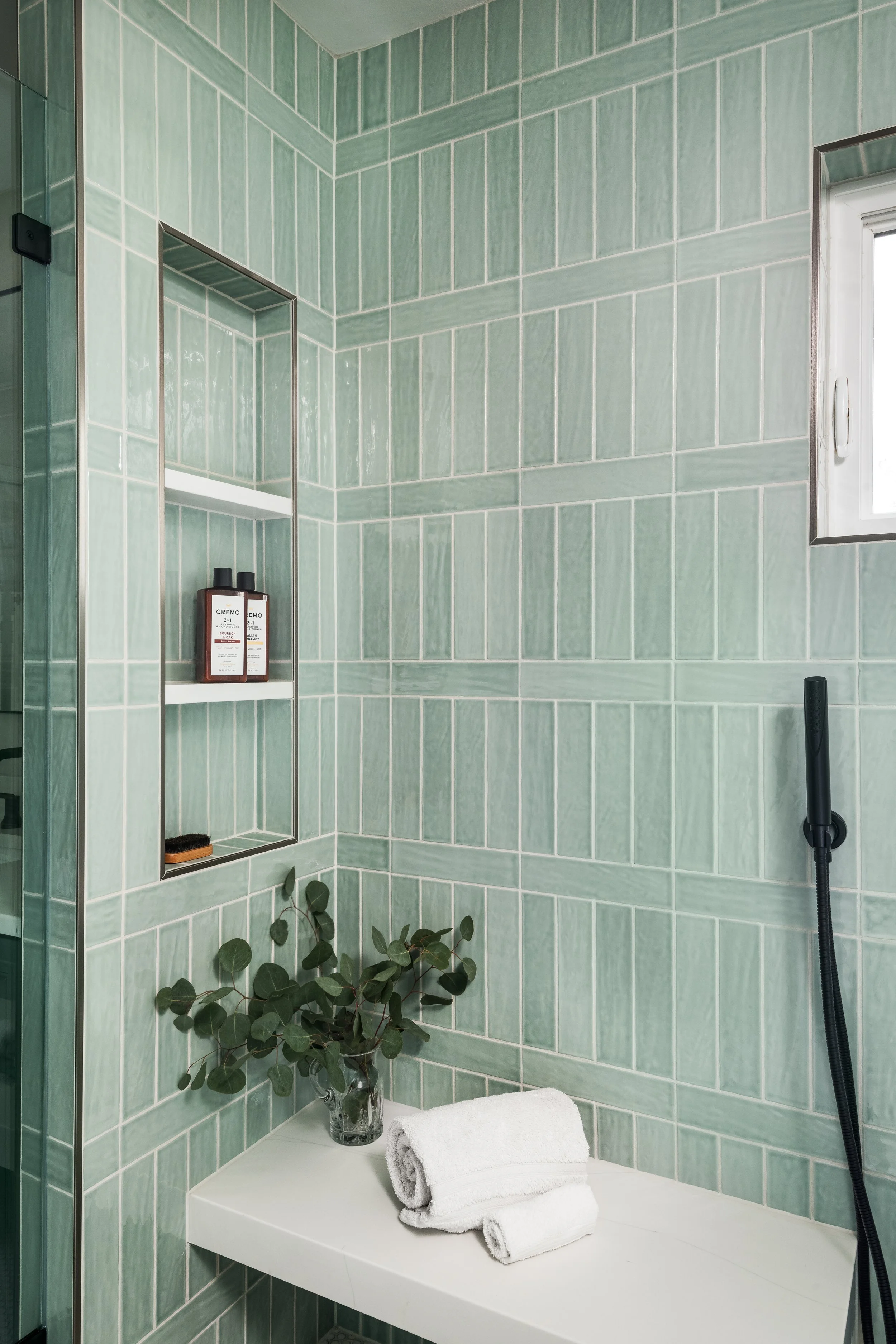
Thoughtful design matters here. A walk-in shower shouldn't simply be a bathtub-shaped hole filled with tile. The new space should be planned around how you use the bathroom, how you move through it, and how the finished room will look as a whole.
Don’t Forget the Cost
A tub-to-shower conversion may appear straightforward, but costs can increase if the project involves moving plumbing, enlarging the shower, repairing water damage, rebuilding the subfloor, or reworking electrical or ventilation systems.
Keeping the new shower in the existing bathtub location can help control the budget, but the size and complexity of the new shower will also affect the overall cost.
At Veritas Construction Services, we look beyond the tub itself when evaluating a bathroom remodel. We consider the existing plumbing, flooring, ventilation, walls, and overall layout so we can help homeowners understand their options before deciding how far to take the renovation.
The Bottom Line
Removing a bathtub does not automatically hurt a home's resale appeal. In fact, current remodeling research shows that removing a tub to create a larger shower is becoming a common choice for homeowners.
At the same time, recent buyer research shows that having both a shower and tub remains desirable to many prospective buyers. And sometimes, the best reason to keep a bathtub has nothing to do with resale: if a large bathroom would feel empty without one, a well-placed tub may be an important part of creating a balanced, finished space.
Before removing a bathtub, consider how the change will affect your household, your bathroom's design, and your home's future marketability. The best remodeling decision is one that improves your home's comfort and functionality today while still making thoughtful choices about its future.
Thinking about a bathroom remodel?
Whether you’re considering replacing a tub, expanding a shower, or completely reworking your bathroom layout, our team can help you understand your options.